Lessons in Christian Theology are in development. These lessons will draw content from my Sunday evening classes. I have relied heavily on my resources, including various systematic theologies and Gregg Allison’s 50 Core Truths of the Christian Faith.
Why We Study Theology:
For nearly two thousand years, Christians have been asking deep questions about who God is, what He has done, and how we are to live in response. These questions are not just academic. They are deeply personal. They shape how we pray, how we worship, how we face suffering, how we understand salvation, and how we live in hope. At the heart of it all is theology, the study of God. And the church has always built its theology on one unshakable foundation: the Word of God.
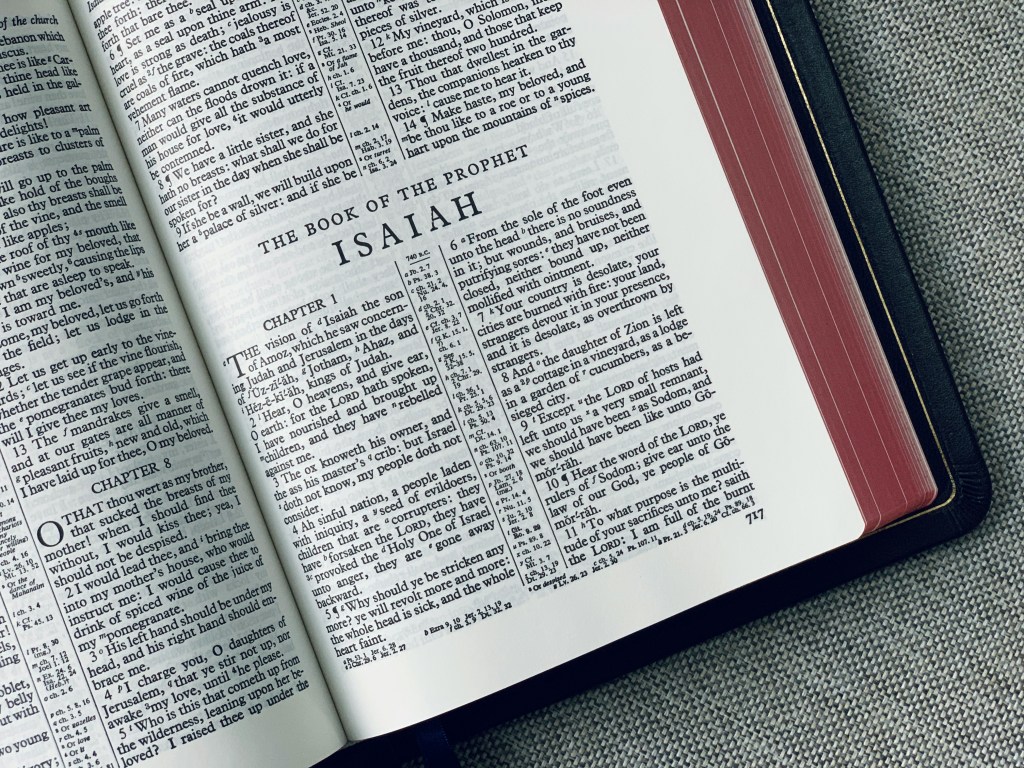
Scripture is not just ancient literature. It is the living, inspired, and authoritative Word of God. It reveals who God is, what He values, and how He relates to His creation. The Bible shapes the beliefs of the church, not by preference or tradition, but because it is the final authority on truth. When we study theology, we are not just learning facts. We are listening to God’s voice and seeking to know Him more deeply.
Despite centuries of challenge, from persecution to false teaching, the church has steadily developed a shared understanding of key doctrines. Guided by the Holy Spirit, believers across generations and cultures have come to affirm historical core truths (concisely expressed in creeds, confessions, and statements of faith) that stand at the center of the Christian faith.
These include the trustworthiness and power of Scripture as divine revelation; the nature and character of God as holy, eternal, and all-powerful; and the triune nature of God, Father, Son, and Holy Spirit. Theology helps us understand the beauty of creation, the tragedy of human sin, and the glory of redemption through Jesus Christ.
We study theology to know the God who made us and loves us. We study to understand the person and work of Christ, fully God and fully man, born of a virgin, crucified, risen, and ascended. We study to recognize the transforming work of the Holy Spirit in our lives today. We study to grasp the breathtaking truth of salvation by grace through faith: a gift, not a reward.
Theology gives shape to the church, the people of God, the body of Christ, the dwelling place of the Spirit. It teaches us how to live as one holy, universal, and apostolic church. It guides us in practices like baptism and the Lord’s Supper, reminding us of God’s grace and our union with Christ.
And theology prepares us for the future. It teaches us to face death with hope, knowing Christ will return to judge evil and restore all things. Our ultimate hope is not in this world but in the promise of a new heaven and new earth, where righteousness and peace will reign forever.
The incredible unity we see in Christian doctrine across time is no accident. It is the fruit of centuries of faithful study, Spirit-led discernment, and heartfelt worship. It is a legacy passed down through the church, one we are now called to steward.
So why study theology? Because it leads us to deeper worship, greater faith, and faithful living. It guards us from error and grounds us in truth. It helps us answer life’s biggest questions with clarity and conviction. And most of all, it draws us into a richer relationship with the God who is worthy of all our love.
To put it simply: Christian doctrine is Christian belief rooted in Scripture. And the church has the sacred task of believing it, practicing it, teaching it, and passing it on. When we study theology, we don’t stand alone. We join a long line of faithful witnesses who have built their lives on the rock of God’s Word.






 Debbie Swindell