
In previous posts of the series, How to Sustain Hope in Pain and Suffering, we explored knowing God, God’s faithfulness, and God’s compassion. In Knowing God’s Directives, we will explore thoughts, actions, and reactions through the lens of theology. Readers will ponder God’s directives by returning to the Bible’s pure source.
Thoughts, Actions, and Reactions
With the heavyweight we sometimes have upon us in suffering, tragedy, or disappointment, it’s possible to feel like giving up on life, the church, or God himself. When emotions run high, we forget that our feelings are not always indicators of facts. For me, the fall of 2022 was a difficult time of significant confusion. I prayed, read, and worked to find my place.
I eventually regained my footing with the understanding that God was teaching me new and different things that would take me places I had not yet been. How we live as we navigate unexpected seasons of life is the product of how we think.
Consider it a great joy, my brothers and sisters, whenever you experience various trials because you know that the testing of your faith produces endurance. And let endurance have its full effect, so that you may be mature and complete, lacking nothing. – Jas 1:2-4
Our actions are the result of our thoughts. Actions and reactions based solely on emotions can be problematic. Christians are to honor the God of the Scriptures in all things, and when trouble comes our way, we are to glorify God by living out his directives.
When we learn and believe theology rightly, it should lead us to worship and praise. Getting your theology right requires looking back so you might move forward. We must have thoughts focused on “the things above,” and our priorities must align with God’s.
Ad fontes is a Latin expression which means “[back] to the sources.”
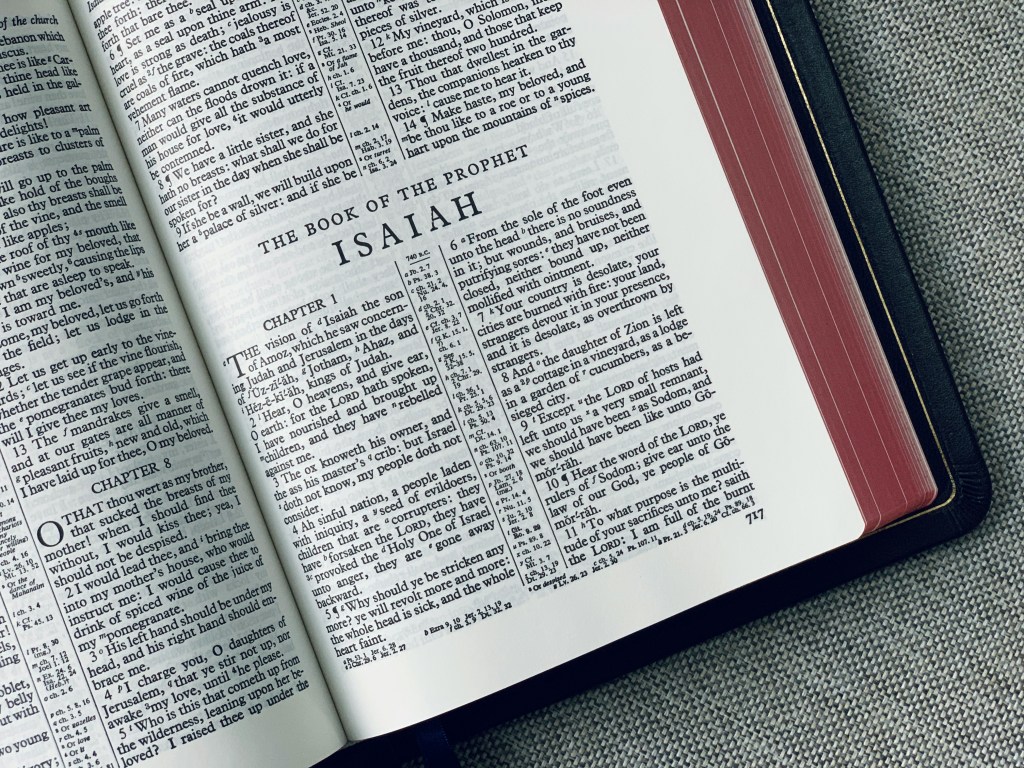
How do we align with God? Sound knowledge depends on the earliest and most fundamental sources. The Bible is our source for God’s directives. We look back as we learn, live, and breathe the source of pure truth, the Bible – We live our theology.
Theology of a Better World
My best consensus is that most evangelicals view suffering as unintended for God’s plan of life. This view of suffering is seen as vital to the Christian worldview. Suffering can be supported as a product of the fall and a consequence of human sin against God.
Some believe suffering enters our lives simply because we live in a broken world. God tolerates some chaos and evil in the world now, but God is sovereign over it, and it is subject to him.
We still recognize the tragedies that occur, but we can see that it is not because God isn’t powerful or good enough to stop it. This theology should prompt us to longing for a better world that will one day be free from sin, one that God will come again to establish.
“God says nothing about all things working together for good, true as that is (Rom. 8:28). He says nothing about guiding evil for his good purposes, accurate as that is (Gen. 50:20). He says nothing about the glories of the eschaton overwhelming all the sufferings of this present age, true as that is (2 Cor. 4:17). He only tells Job that he is entirely aware of the problem—more so than Job ever could be—and will one day defeat and destroy the evil he presently tolerates.”
– Eric Ortlund, commentary on Job
For I consider that the sufferings of this present time are not worth comparing with the glory that will be revealed to us. The creation eagerly waits for God’s sons to be revealed. For the creation was subjected to futility—not willingly, but because of him who subjected it—in the hope that the creation itself will also be set free from the bondage to decay into the glorious freedom of God’s children. For we know that the whole creation has been groaning together with labor pains until now. Not only that, but we ourselves who have the Spirit as the firstfruits—we also groan within ourselves, eagerly waiting for adoption, the redemption of our bodies. Now in this hope we were saved, but hope that is seen is not hope, because who hopes for what he sees? Now, if we hope for what we do not see, we eagerly wait for it with patience. – Rom 8:18-25
This theological view becomes personal with the incarnation of Jesus and his suffering on our behalf. His birth and crucifixion become bookends of his time in this fallen world, life, and time that confront us with our need that reaches far beyond physical and emotional suffering.
Paul Tripp puts it like this: The incarnation of Jesus, that is, the invasion by grace of the Son of God into the world he created, but which is now fallen, is the most pointed and significant moment of confrontation that has ever or will ever happen. The birth of Jesus confronts each of us with the fact that sin is real and inescapable, and it leads to death. In his coming, we are forced to face the humbling fact that the greatest danger to all of us exists inside of us and not outside of us. The birth of Jesus requires us to confess that we are not okay and our world is not okay.
Theology of Sanctification
God uses suffering as part of our development. Nothing forces a person to confront their sin, like suffering. Suffering causes our focus to turn inward, to face those parts of ourselves we might otherwise ignore.
God can use suffering to develop us into better people who love and enjoy Him forever (Romans 5:3-5). I can personally testify that God is lovingly using a hardship in the life of a believer to enhance their relationship with God, to deepen it, and make it stronger:
- God uses our suffering to help us experience Christ’s sufferings. – Phil 3
- God uses suffering to expose our remaining sin. – Deut 8:2
- God uses suffering to engage us in the body of Christ. – Rom 12:15
- God uses suffering to exhibit, display, and show forth Christ’s work in us to other people. – Matt 5:13
- God is using suffering to equip us for more compassionate and wiser service to others. – 2 Cor 1
- God uses our suffering to make us eager for Christ’s return. – Rev 21 and 22; 1 John 3
God uses chronic pain and weakness, along with other afflictions, as his chisel for sculpting our lives. Felt weakness deepens dependence on Christ for strength each day. The weaker we feel, the harder we lean. And the harder we lean, the stronger we grow spiritually, even while our bodies waste away. To live with your ‘thorn’ uncomplainingly — that is, sweet, patient, and free in heart to love and help others, even though every day you feel weak — is true sanctification. It is true healing for the spirit. It is a supreme victory of grace.
– J.I. Packer
and to put on the new self, created after the likeness of God in true righteousness and holiness. – Ephes 4:24
Suffering is a part of the process by which the children of God are sanctified. They are chastened to wean them from the world, and make them partakers of God’s holiness. The Captain of their salvation was made perfect through sufferings, and so are they. There never yet was a great saint who had not either great afflictions or great corruptions. Philip Melancthon said it well: “Where there are no cares, there will generally be no prayers.” – J.C. Ryle, Sanctified Suffering
Theology of Suffering with Jesus
For in him the whole fullness of deity dwells bodily, and you have been filled in him, who is the head of all rule and authority. – Col 2:9-10
Jesus refuses to sit back and watch us suffer alone. Christ became man to identify, suffer sorrow, and walk with his people, binding us to Him intimately. He knows the pain of suffering. How are we to think of the Incarnation? When asked, “what is the best thing in life, bringing more joy, delight, and contentment than anything else?”
J.I. Packer did not hesitate to answer: “the knowledge of God.” And from Romans 5:1 – “since we have been justified through faith, we have peace with God through our Lord Jesus Christ.” When we turn inward and question God’s goodness, we must view our situation appropriately: Jesus is our good shepherd. We are one of his flock. It’s in him we find contentment and peace in our suffering.
When it comes to helping people through their worst moments, much of what we have to offer doesn’t help. While suffering, people are going through their worst moments. Though they are not alone, they often feel as if they are.
At that point, the best you and I can do is provide a shoulder to cry on. Just be there. The help we offer should mirror the words of Jesus: “I am with you.” Our goal in helping others in suffering is empathy and understanding. In suffering, God wants us to hold onto him.
it becomes clear that what God wants from us in Job-like suffering is neither repentance nor deeper spiritual discipline. All he wants for us is to hold onto him—not to curse him and walk away from him, but just to maintain our relationship with him through tears and sackcloth.
– Eric Ortlund
We may experience times when it is difficult to see God’s work. But He is present during trials and victories. God provides exactly what we need and so much more! God’s love and faithfulness are consistent. The problem is our perception in times of adversity, not His presence and provision.
God Offers Himself
What does God offer the person who has turned suffering into bitterness? God offers himself. He is our identity. We are His children, “heirs of God and fellow heirs with Christ, provided we suffer with him so that we may also be glorified together” (Rom 8:17). Romans 8:18 gets to the larger context. We live in a fallen world filled with suffering. The creation itself groans.
But if we hope for what we do not see, we wait for it with patience. Likewise the Spirit helps us in our weakness. For we do not know what to pray for as we ought, but the Spirit himself intercedes for us with groanings too deep for words. – Rom 8:25-26
We complain. We find, for example, not just in that text but further that the Spirit groans with us. He intercedes for us. We have the Son in Romans 8:17 who suffers. But amidst the hardships, what we find in this passage is the presence of God. You see hope in a sovereign, wise God with a purpose—a God who loves us.
We know in Rom 8:28 that “in all things, God works for the good of those who love Him, who have been called according to His purpose.” We have to look at the context, and we see this purpose of God, this eternal love leading Him to conform us to the image of His Son. So, what is the “good purpose?” To make us like Jesus Christ.
The grand concluding hope of Romans 8 is that nothing can separate us from God’s love for us in Christ. Let’s look at Romans 8:35 and the broader text: “trouble, hardship, persecution, famine, nakedness, danger, sword, neither death nor life, angels, demons, nor things present, future, powers, nothing will be able to separate us from the love of Christ.”
Application
The Bible poses questions about suffering and evil, which can be found in the Psalms. The psalmist often cries out to God during their struggles. When we face trials and suffering, we must consider eternity. It destroys the idea that our goal in life is to accumulate as much as possible. Our identity in Christ is not determined by our circumstances, mistakes, or successes. Our union with Christ assures us of our eternal destiny.
Through trials and suffering, we learn that even the best earthly situations and experiences can pass away suddenly. These tests help us understand the gospel of Jesus Christ and who God is. God’s love and compassion call us to hope in Him rather than the world. He is preparing us for eternal glory.
Our life on earth is fleeting and filled with difficulties that will eventually disappear. However, with the hope of eternal life, we can have security now. Our experiences do not determine our life; rather, our security in a Savior who has risen from the dead and who will return for us does. He will redeem us entirely, both body and soul, and we will spend an eternity with Him.
Further Thought
2 Pet 1:3-4 – “His divine power has granted to us all things that pertain to life and godliness, through the knowledge of him who called us to his own glory and excellence, by which he has granted to us his precious and very great promises, so that through them you may become partakers of the divine nature, having escaped from the corruption that is in the world because of sinful desire.”
2 Tim 3:14-17 – “All Scripture is breathed out by God and profitable for teaching, for reproof, for correction, and for training in righteousness, that the man of God may be complete, equipped for every good work.”
The Bible is about God, and it can help us in times of trouble. Within its pages, God has revealed Himself and spoken to us. He has told us that everything we need for salvation and to live a life that pleases Him is contained in the Bible. The Bible also provides examples of how to handle difficult situations in a way that honors God and exhibits good behavior.
We can trust in God’s promises because He has promised to always be with us. Do you have any favorite verses or passages of scripture that provide comfort when times are tough? Consider reading Jeremiah 23:23-24, Psalm 139:2, Isaiah 55:8-9, and Philippians 4:8. It’s important to change our thinking when our thoughts don’t align with God’s. We should strive to think biblically and align our thoughts with His.
You can receive this series, How to Sustain Hope in Pain and Suffering, by email. To do so, be sure you subscribe to my blog. The primary resources for this series are:
Suffering Wisely and Well by Eric Ortlund
Suffering by Paul Tripp
Knowing God by J.I. Packer






 debbieswindell.com