
We live in an age of constant content. Books, blogs, podcasts, devotionals, and social media flood us with Christian teaching faster than we can absorb. While many of these voices offer encouragement and insight, it’s easy to mistake knowing a teacher for knowing the Word, and that’s a costly confusion.
Too often, we follow popular Bible teachers on social media, buy their books, and listen to their podcasts, admiring their stories, their personalities, and their wisdom. But in doing so, we risk knowing more about them than we do about Jesus Christ. Many pre-authored Bible studies focus more on the author’s life than on the living Word of God. And because these teachers exist behind screens, we often have no one to ask questions, no one to walk alongside us in faith.
This is why Bible literacy is more important than ever.
Bible literacy isn’t just quoting verses or attending a study. It’s the ability to understand Scripture’s big picture, interpret it correctly, and apply it faithfully. Without this foundation, we become spiritually malnourished, susceptible to shallow teaching, incomplete theology, and faith that doesn’t hold up when trials come.
God did not give us His Word to skim or pick apart like a buffet. He gave it so we would know Him fully, not just in bits and pieces, but through the whole counsel of Scripture.
The Goal: Know Jesus, Not Just a Celebrity Christian
Bible teachers and published studies can be wonderful resources, but they are supplements, not substitutes, for deep, personal engagement with God’s Word. Paul’s prayer for the church is ours too: “I want to know Christ—yes, to know the power of His resurrection and participation in His sufferings” (Philippians 3:10).
That kind of knowing only comes through regular, prayerful, Spirit-led Bible study.
Where to Begin: Growing in Bible Literacy
If you sense a hunger to grow in biblical understanding, that’s the Spirit drawing you deeper. But beware the trap of endlessly searching for the “perfect” study plan without opening your Bible.
Bible literacy is a lifelong journey, but here are some practical steps to get started:
- Study a Whole Book at a Time
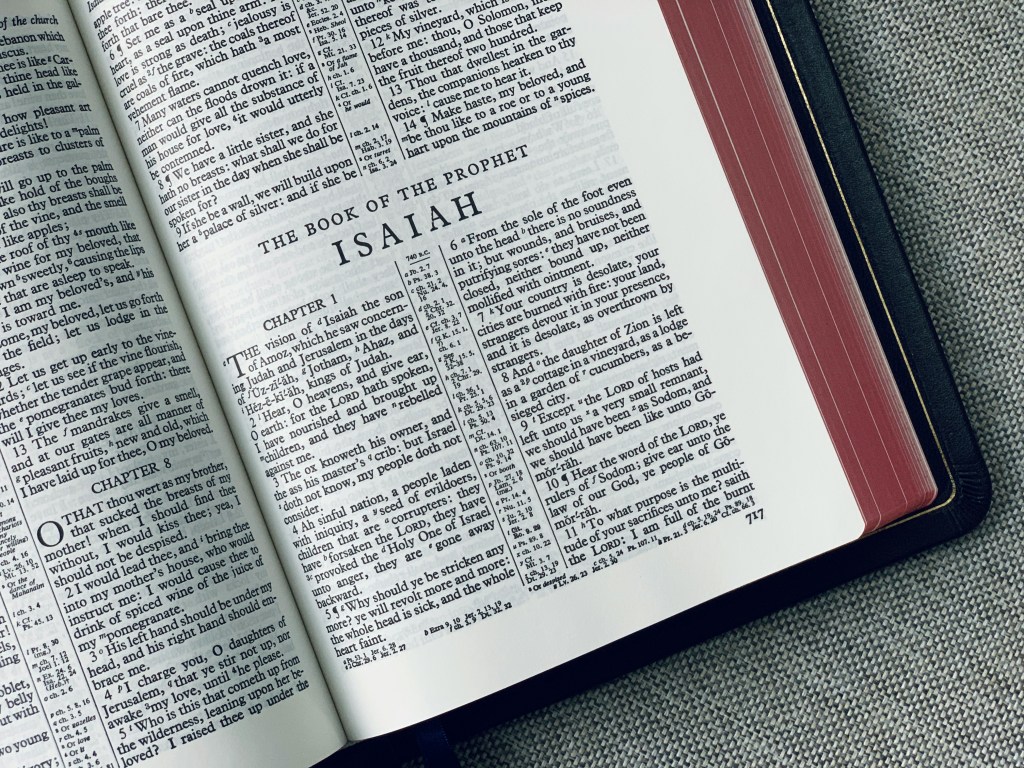
Choose a book of the Bible and read it through from start to finish. Let its full message unfold instead of hopping between favorite verses. - Ask Thoughtful Questions
What does this passage teach me about God? About myself? About Jesus? How should it change the way I live? - Use Trusted Resources Wisely
Study Bibles and commentaries are tools, not crutches. Let Scripture speak first before consulting others. - Take Notes and Pray
Write down insights and questions. Ask the Holy Spirit to open your heart and mind to the truth. - Study with Community
Find a local group or a few trusted sisters to study with. Bible literacy flourishes where questions are welcomed and truth is shared lovingly.
Reflection: Where Are You?
- Do you spend more time following teachers than studying God’s Word yourself?
- Are you confident reading Scripture in context, or do you mostly rely on others’ interpretations?
- Is your Bible study transforming your heart, or just filling your mind?
The Word of God is living and active. It changes us from the inside out (Hebrews 4:12). When we root ourselves in Scripture, we grow in discernment, faith, and love. We become women who not only know about Jesus—but know Himpersonally and intimately.
The Invitation
So, turn down the noise. Step away from endless scrolling and quick takes. Open your Bible with a heart ready to listen. Study it deeply, study it regularly, and watch as the God of the Word draws you closer to Himself.
Because true faith doesn’t rest on personality or popularity. It rests on the sure foundation of God’s living, breathing Word.
Your Next Step
Dear sisters, the Word of God is alive and powerful. It will transform you as you study it faithfully. Let’s turn away from the noise and distractions and lean into the timeless truth that shapes us into the women God calls us to be.
To help you get started, I’ve created a Bible Study Starter Guide especially for women in the local church. It includes simple steps (including a trusted Bible study method), helpful questions, and encouragement to build a lifelong habit of Bible literacy.






 debbieswindell.com