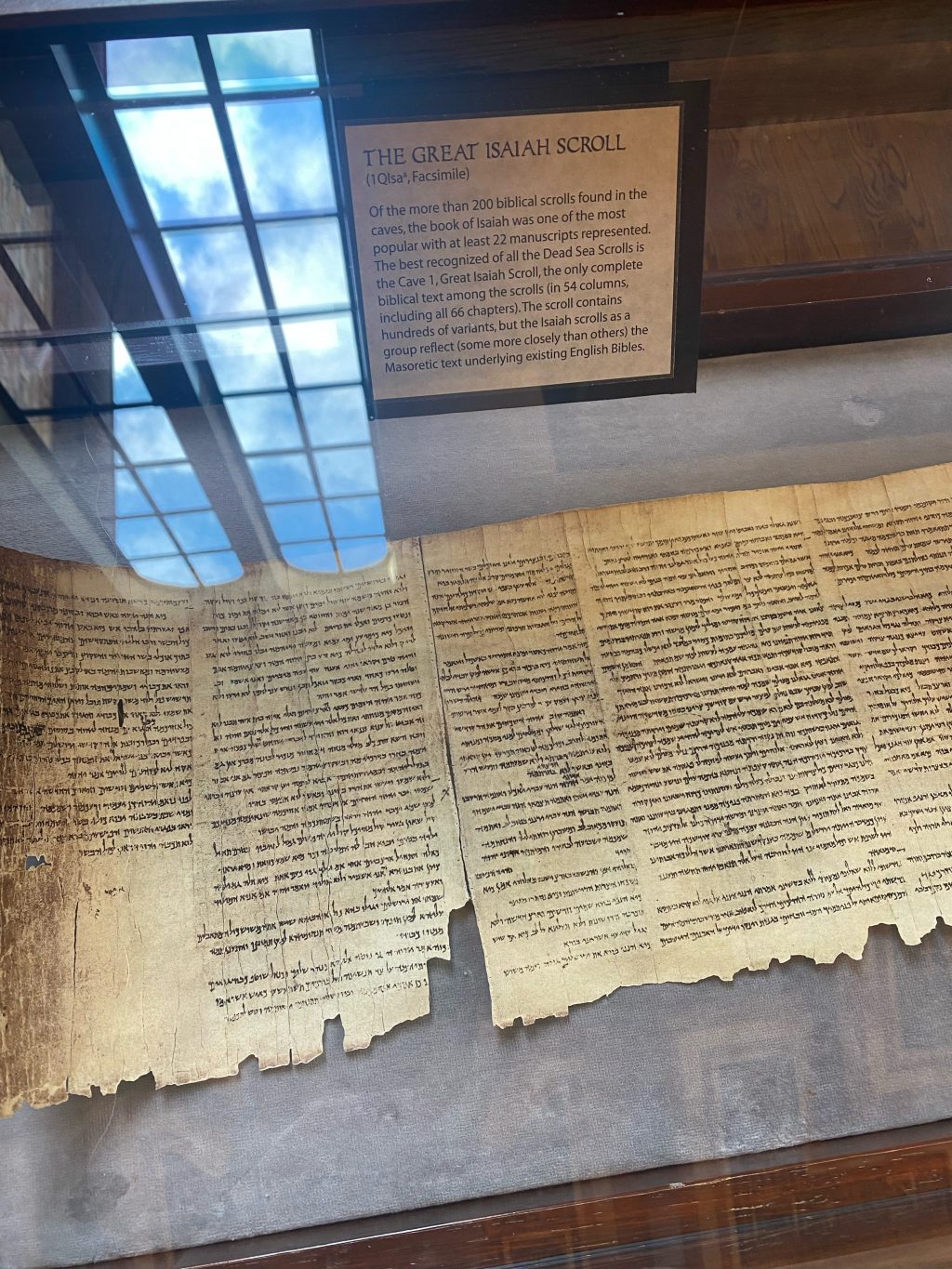
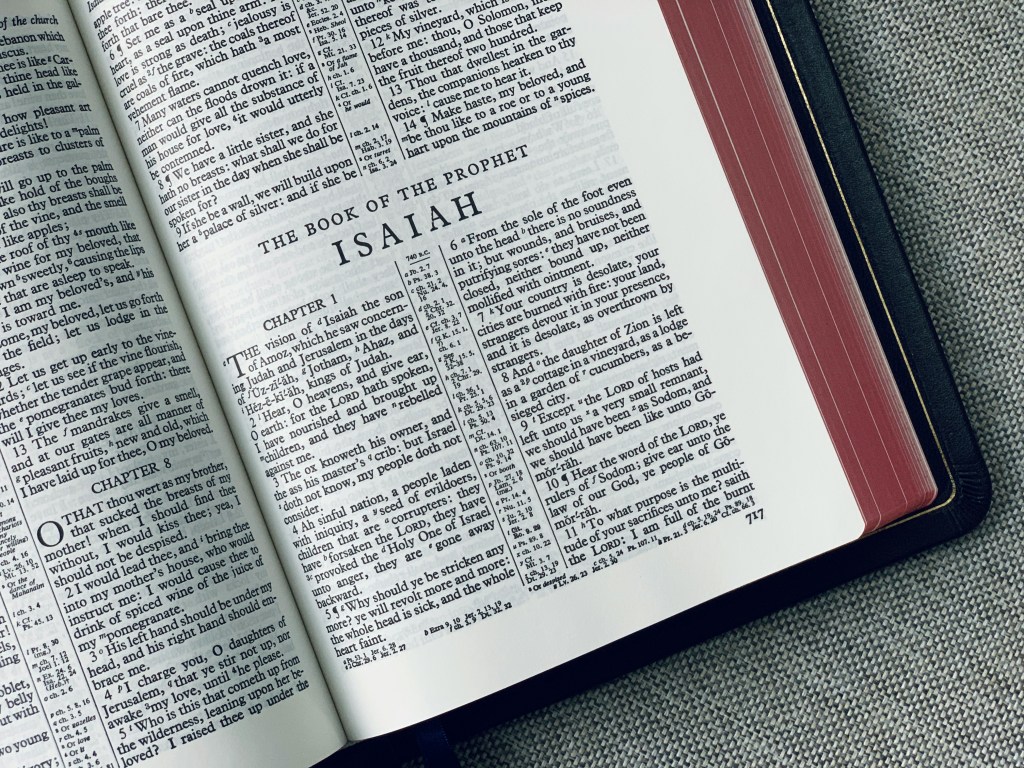
As I sit reviewing my lesson notes for our upcoming fall study in Isaiah, I wanted to take a moment to share a few reflections, and to remind you that I’m still teaching our Wednesday night women’s class.
In my humble opinion, there is no greater task for a woman within the local church than helping her sisters in Christ learn how to study the Bible, and doing it together, side by side. It’s not just about gaining knowledge, but about growing in wisdom, faith, and intimacy with God.
Our study begins in the fall and runs until the holiday break. The study picks up again in January. As we open the pages of Isaiah, my prayer is that we will think deeply about who God is, and who we are in Him.
May this be an encouragement to you, wherever you are in your walk with the Lord.
In our achievement-obsessed world, it’s easy to believe that who we are is defined by what we do. We chase success, recognition, and approval, hoping it will affirm our value. But what if our identity didn’t need to be earned? What if it was already secure, rooted not in performance, but in grace?
The Book of Isaiah gives us a fresh lens through which to view your worth. It calls you out of striving and into trust, out of self-made identity and into one formed by a holy and compassionate God.
When Worship Becomes Hollow
Isaiah opens with a sobering rebuke:
“I have raised children and brought them up, but they have rebelled against me… The ox knows its owner, and the donkey its master’s feeding trough, but Israel does not know; my people do not understand.”
– Isaiah 1:2-3
God’s people, whom He lovingly raised, have turned their backs on Him. Their sin is not mere disobedience. It’s personal. It’s relational. They’ve forgotten who He is and who they are.
As a Southern Baptist, I believe in the doctrine of total depravity, that all have sinned and fall short of God’s glory (Romans 3:23). Isaiah 1 paints this truth vividly. Judah’s rebellion is a reflection of the human condition. Even those closest to God can wander far from Him. But even in their corruption, God speaks. He pursues. He longs to restore.
Consider:
- Where do I see myself in this passage?
- In what ways have I forgotten my dependence on God?
- What does this reveal about God’s heart toward those who have strayed?
Ritual vs. Relationship: Isaiah 58
Later in the book, Isaiah zeroes in on another major issue: empty religious ritual. In Isaiah 58, people are fasting and keeping the Sabbath, but their hearts are far from God. They’re still exploiting others. They still live unjustly.
God is not impressed by outward displays of legalistic religion. He wants hearts that love what He loves—justice, mercy, and compassion.
“Is not this the kind of fasting I have chosen: to loose the chains of injustice… to share your food with the hungry…?”
– Isaiah 58:6-7
Fasting and Sabbath keeping, at their core, are acts of trust. They call us to set aside our desires and daily grind in order to remember that God provides. But they’re also meant to transform us, to soften our hearts toward others.
God promises that when we live this way, justly, compassionately, with integrity, our light will break forth like the dawn. We will become what He intended: a light to the nations, a living testimony of His goodness (Isaiah 58:8-10).
Ask Yourself:
- Is my worship shaping my life?
- Does my walk with God reflect justice, compassion, and humility?
- What might it look like to practice a “fast” that honors God and blesses others?
You Don’t Have to Earn What God Has Already Given
At the heart of Isaiah’s message is this: God wants our hearts, not our performance. Our rituals, achievements, and appearances mean nothing if they are not grounded in a relationship with Him.
And the good news? That relationship isn’t something we earn. It’s something we receive.
In Christ, the promises of Isaiah find their fulfillment. He is the suffering servant, the promised king, the one who bore our sins and brings us peace. Through Him, we are no longer defined by our failures or our successes, but by grace.
You don’t have to impress God. You don’t have to outrun guilt or strive for approval. In Jesus, you are already known, loved, and accepted.
Live from Grace, Not for Validation
So, where are you seeking your worth? What defines your identity right now?
Isaiah invites you to rest—not in what you’ve done, but in what God has done for you. It’s a call to live authentically and freely, anchored in a love that doesn’t change with your performance.
“Turn your attention to the manger. Do not be ashamed of being the Lord’s donkey. If you carry Christ, you will not go astray. Let the Lord sit on us and take us wherever He wants. With Him seated on us, we are not weighed down but raised; with Him showing the way we will not go astray.”
– Augustine, Miscellanea Agostiniana, Commentary on 1:3
Let go of the need to prove yourself. Let Isaiah remind you that the path to renewal begins not with striving, but with surrender. God’s grace is sufficient—and that changes everything.
If you would like to join me for the study of Isaiah, feel free to contact me. Space is limited.






 debbieswindell.com