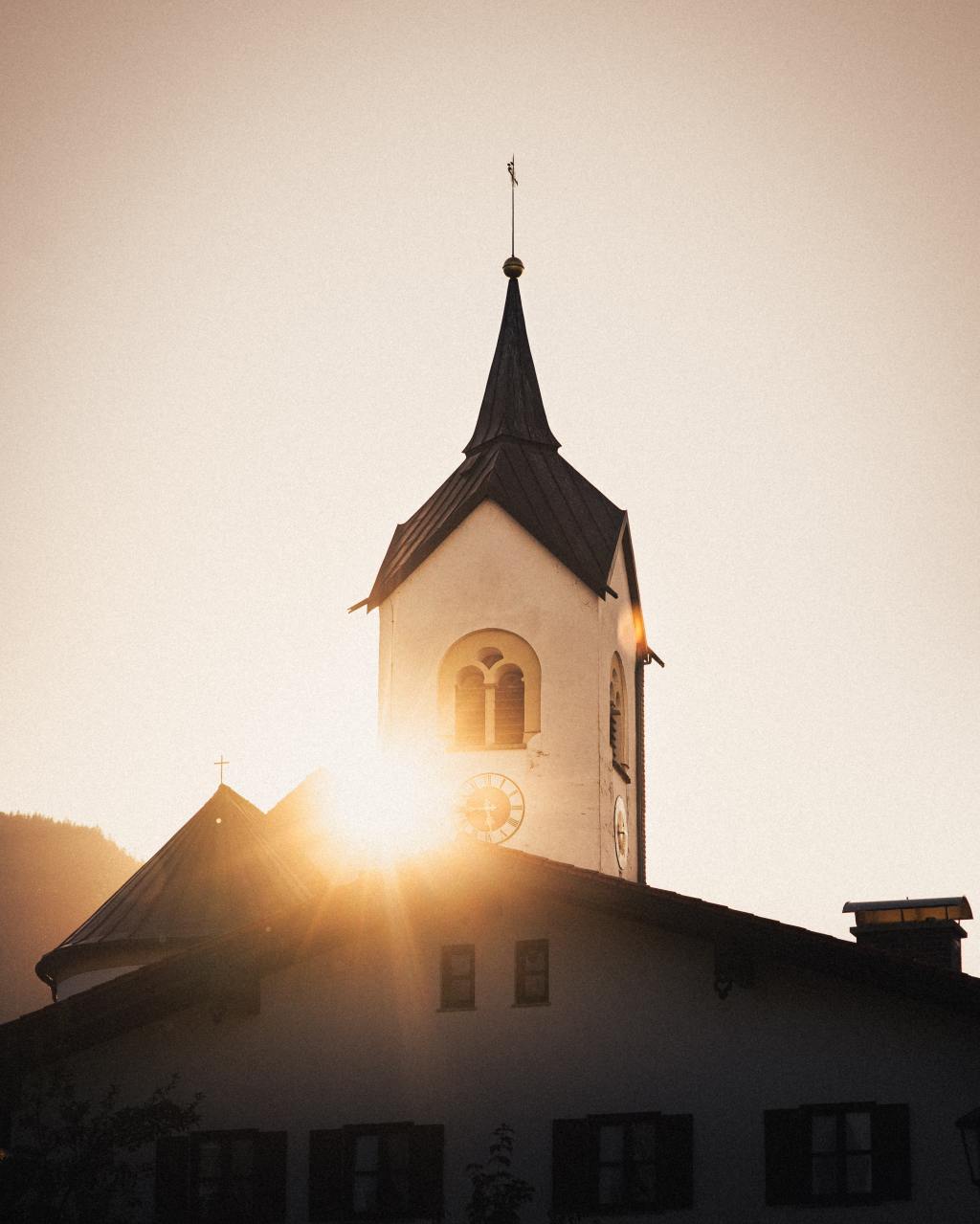
The church is God’s people, his ecclesia or ekklesia in Greek. The church is the “called out of” ones. We are called out of the world so that we might be the possession of him who called. We are called out of lostness into joy. For example, in Romans 1:6, Paul is writing to the church in Rome. Romans 1:6 says, “called to belong to Jesus Christ.” What makes us this distinctive is that we have been “called to belong to Jesus Christ.”
“The church is the people of God who have been saved by his grace and incorporated as the community of faith.” – Gregg R. Allison, Southern Baptist Theological Seminary.
“Paul, a servant of Christ Jesus, called to be an apostle, set apart for the gospel of God, which he promised beforehand through his prophets in the holy Scriptures, concerning his Son, who was descended from David according to the flesh and was declared to be the Son of God in power according to the Spirit of holiness by his resurrection from the dead, Jesus Christ our Lord, through whom we have received grace and apostleship to bring about the obedience of faith for the sake of his name among all the nations, including you who are called to belong to Jesus Christ,” – Rom. 1:1-6
In summarizing the church’s doctrine, Gregg Allison writes that there are two diverse definitions of the church: the people of God throughout all time and the people of God after the coming of Jesus Christ. In distinguishing the summary, Allison notes:
- There are two diverse definitions of the church: the people of God throughout all time and the people of God after the coming of Christ.
- These definitions reflect a crucial issue regarding the relationship between the old and new covenants.
- The church has two interrelated elements: the universal church and local churches.
What did Christianity look like before it was considered an institution? How was the church separated from the world?
The contrast between the early church and the modern day is stark and should be a rallying cry for evangelicals. The Bible lays out for us a picture of assembled people. The first church buildings did not appear until the early 200s, and the earliest believers (for their times to meet) opened their homes, spoke the Truth fearlessly, and trusted God for results. The first community of believers reflected the power and design of God in their lives as a loving family. Christians were known for their love of God, devotion to God, and compassion for each other. Whether it be your local congregation or mine, our spiritual distance from the early church must be narrowed.
"Every day, they continued to meet together in the temple courts. They broke bread in their homes and ate together with glad and sincere hearts" - Acts 2:47-47
These Christians stood apart from the world because they had been transformed by God’s power and had surrendered themselves to the Lord. They represented something noble and were influential in their communities. In a time of terrible persecution and hardship, the early church remained an active body of passionate believers. They maintained a visible separation from the world. As a result, regardless of their circumstances, they could live with joy.
Are we submitting to God’s agenda? What powers vie for our allegiance today?
To be placed in Christ is to be put under his headship, and the challenge is to see these physical and local expressions of the body conforming to a standard that God has given. Historically, the church’s order of worship and standard for life in the community has been established. The early church sacrificed everything (sometimes even their lives) for the Truth that burned in their hearts. Early Christians were a worshipping, witnessing community. Could we be unwilling to put aside personal agendas for the sake of the body? Or are we merely functioning within the grips of individualism?
"God is faithful, by whom you were called into the fellowship of his Son, Jesus Christ our Lord." - 1 Cor. 1:9 "And He put everything under His feet and appointed Him as head over everything for the church," - Ephes. 1:22
Who are we worshipping when we gather? What idols confront us as we strive to follow Christ today?
Various forms of modern idolatry have one thing at their core: self. Far too often, we expect the church to look like us and serve us. We might not bow down to physical idols and images; instead, we worship at the altar of the God of self. It’s sad that church members are often recognized (even by those outside the church) to display a complaining spirit rather than submitting to those in authority. Preferences have become a priority. We risk failing to exalt God and practice loving care for his people. Do we choose to worship materialism, pride, and ego? Are we willing to lay down our idols for the church’s good?
True worship serves above all else the praise of God’s glory. – Hughes Oliphant Old
The early believers were living their faith. Today’s church needs to reorient our hearts and minds. May we confess our shortcomings as we sing, pray, and sit under the Word preached. If we are “called out,” we walk, worship, and serve out of love and obedience. We must be centered first on God and then on others. Despite our inadequacies, God is gracious in his promise to meet with us when we gather as his church. He delights in communing with his creatures.
“We are a body knit together by a common religious profession, by unity of discipline, and by the bond of a common hope. We meet together as an assembly and congregation, that, offering up prayer to God as with united force, we may wrestle with Him in our supplications. This strong exertion God delights in.” – Tertullian






 debbieswindell.com